ABOUT
At Jkuat Social Robotics Lab
WHAT WE DO
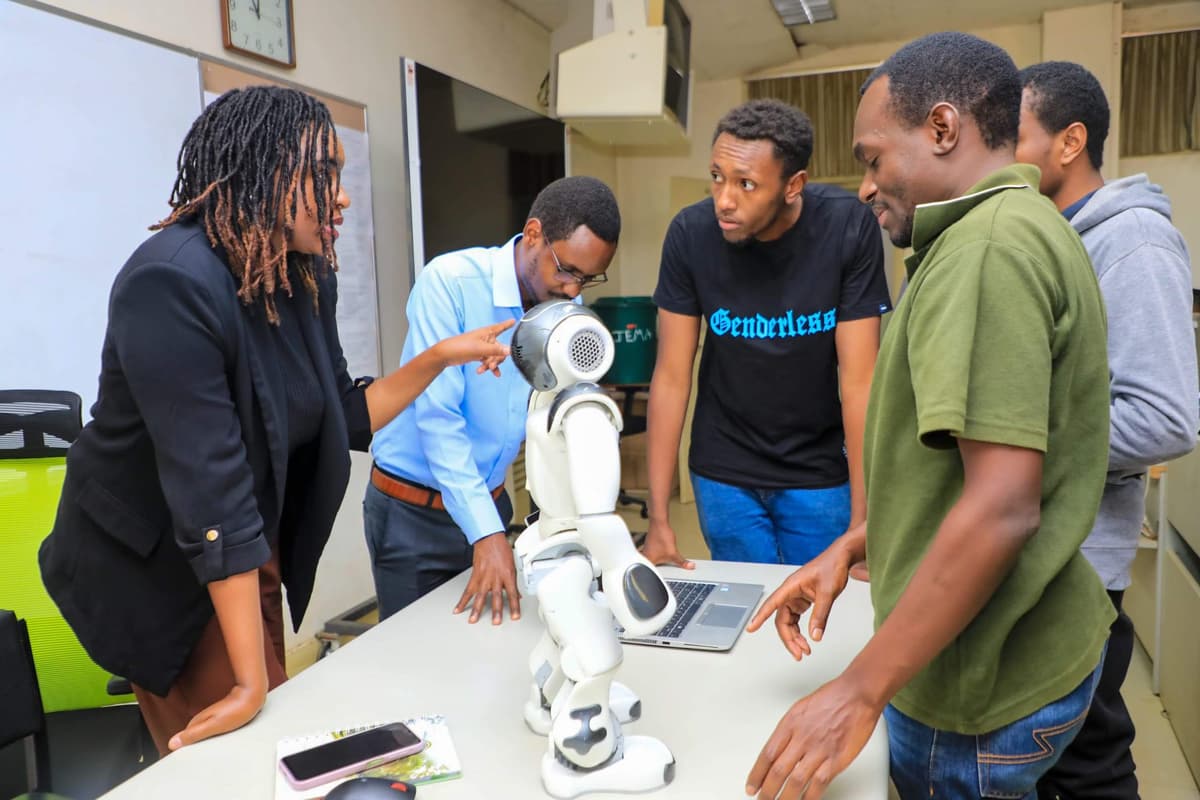
PioneeringSocial Robotics Research
Welcome to the JKUAT Social Robotics Lab, where innovation meets social impact. Our lab is dedicated to designing and implementing robotic solutions that enhance human experience through intuitive social interactions.
Established as a center of excellence in social robotics research in Kenya, we bring together experts in computing, engineering, psychology, and design to create robots that can effectively understand and respond to human social cues while addressing real societal challenges in education, social training, and healthcare.
Our core values and direction
VISION & MISSION
Our Vision
To be the leading center of excellence in social robotics in Africa, pioneering innovative solutions that enhance human well-being through empathetic and responsible robotic technology.
We envision a future where robots seamlessly integrate into society, assisting humans in education, healthcare, and daily activities while maintaining the highest ethical standards and promoting inclusivity.
Our Mission
To advance the field of social robotics through innovative research, responsible development, and practical implementation of robots that understand human social contexts.
We are committed to:
- Conducting cutting-edge research in human-robot interaction
- Designing robots that enhance learning and social development
- Training the next generation of robotics engineers and researchers
- Promoting responsible computing principles in AI and robotics
- Creating inclusive technologies that address diverse societal needs
Meet the experts behind our research
OUR TEAM
Expert Leadership
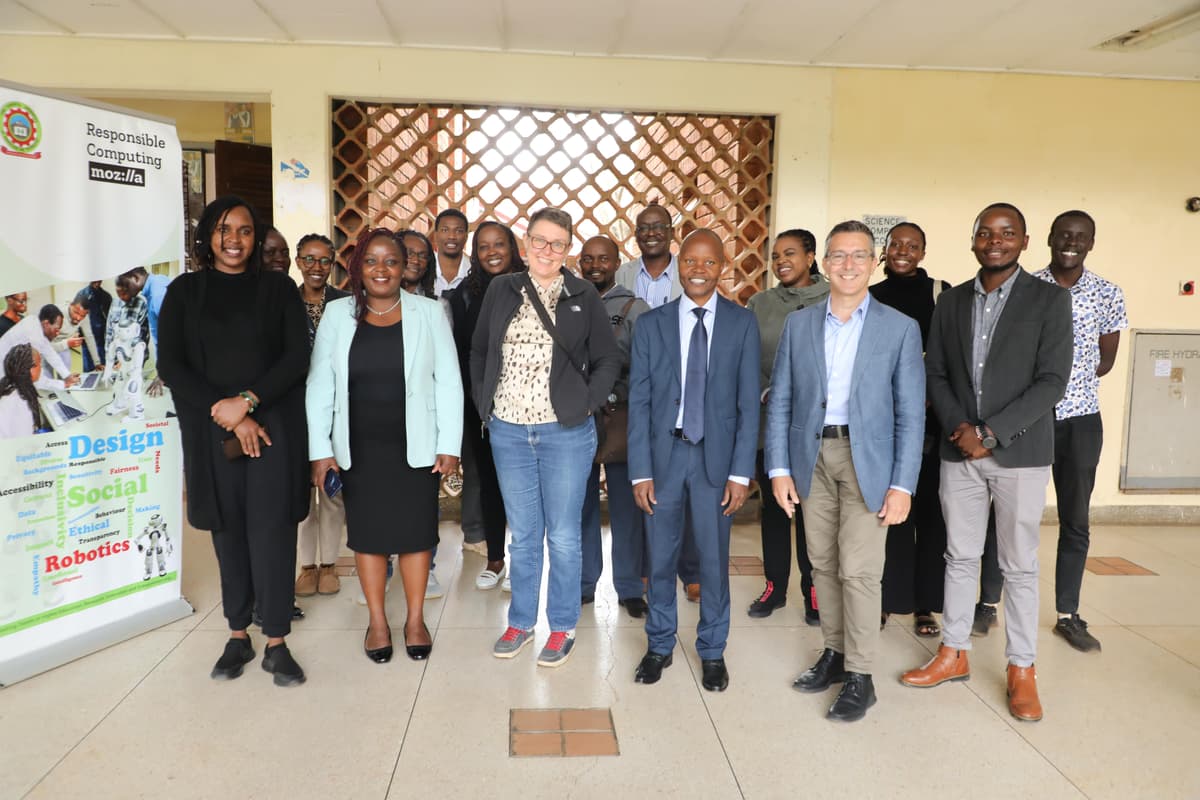
Our multidisciplinary team brings together expertise in robotics, computer science, ethics, and human-computer interaction to advance the field of social robotics.
From principal investigators to research assistants, every member contributes unique perspectives and skills essential for responsible innovation in robotics.
Our commitment to ethical technology
RESPONSIBLE COMPUTING
Responsible Robotics in Social Environments
At the Social Robotics Lab, we are dedicated to designing robots that enhance social interaction and support human well-being through empathetic and inclusive design. Our research explores how robots can understand and respond to human social cues, promote social inclusion, and navigate the ethical challenges of robotic technology.
We aim to advance the field of social robotics by developing innovative approaches that integrate robots into everyday environments—education, social training, homes, and healthcare settings—where they can assist with tasks, support learning, and provide companionship to individuals with specific needs.
Our educational approach
TEACHING METHODOLOGY
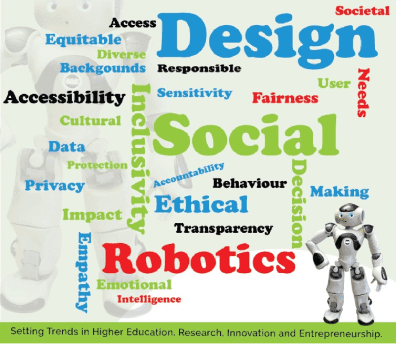
TEACHING RESPONSIBLE COMPUTING
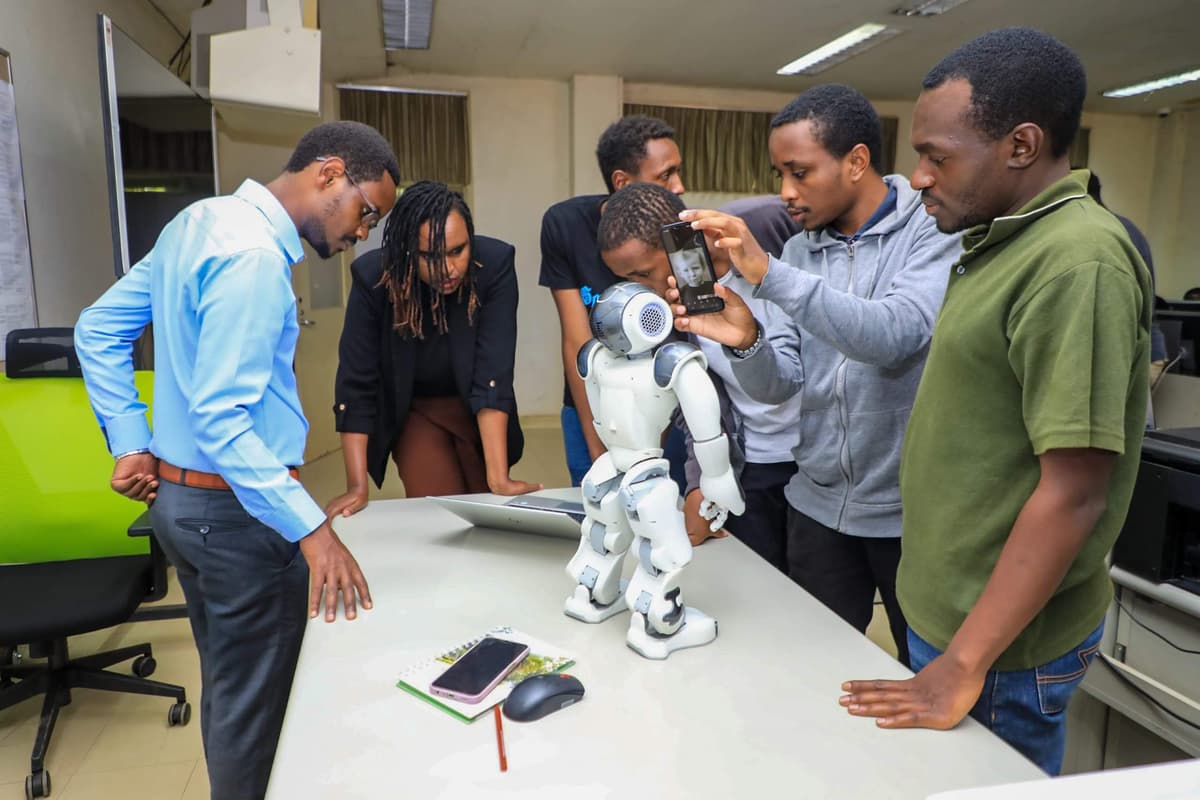
Our methodology emphasizes hands-on learning and real-world design scenarios to make Responsible Computing (RC) and ethics both practical and engaging.
Team-Based RC Projects
Students collaborate in teams to design projects that integrate RC principles, fostering critical thinking and ethical awareness.
Ethical Training Workshops
We conduct structured workshops incorporating design scenarios, case studies, and expert guest lectures to provide a comprehensive understanding of RC.
Industry and Academic Engagement
Guest lecturers from both industry and academia share insights on responsible technology development.
Applied Learning
Students apply the RC knowledge gained to their projects, enabling them to internalize ethical principles and implement them in real-world scenarios.
Measuring our success and reach
IMPACT & OUTREACH
Transformative Outcomes
Real-World ImpactThe JKUAT Social Robotics Lab initiative is already making significant strides. Currently, there are five ongoing MSc projects by Software Engineering students at the Department of Computing, JKUAT, supported under the Social Robotics Project. These projects explore various aspects of social robotics and machine learning, with a focus on education, social training, and social care.
As part of our ongoing responsible computing project, we have trained ~150 students in Computer Science and Technology about robotics and responsible computing.